A tragic ending,
an overwhelming beginning.
Losing a spouse or life partner to suicide is an extremely difficult experience—and far less understood than suicide itself.
The Suicide Widows Project exists to change that.
There is more to the story than statistics.
We know that almost 50,000 people in the US end their lives each year, along with many other heartbreaking facts about the scale and scope of suicide. But we don't know enough about how life changes, often permanently, for spouses and partners left behind.
Suicide loss is a lifelong journey.
It begins with acute grief and immediate hardships. With the right support, it can get easier. This project seeks to uncover what that support looks like for people widowed by suicide.
The number of people left behind after a suicide. Spouses and partners, children, other family members, friends, and colleagues navigate a variety of challenges associated with suicide exposure.
"I wish more people would talk about suicide loss. It’s so much more common than people think."
"The excess risks of mental, physical, and social health outcomes highlight a need for more support directed toward spouses bereaved by suicide."
"I kept thinking 'Is there ever going to be a day that this isn’t part of my reality?' Then I found my people. Connecting to other widows around the world through online communities gave me glimmers of hope."
Effects of a suicide loss include an increased risk of suicide in bereaved spouses or partners and increased risk of depression in children bereaved by the suicide of a parent.
"In the beginning, I was overwhelmed with fear by the statistics I was reading. Over time I learned that they describe risk, not inevitable outcomes."
Three years, two outcomes, one goal.
The purpose of the Project is to support people who lost a spouse or partner to suicide. It begins with a needs assessment and culminates in an action plan.
Assess Needs
Develop Action Plan
Publish & Advocate
The Suicide Widows Project is a U.S. 501(c)3 tax-exempt organization (EIN 33-3568737).
At the conclusion of the three-year project, SWP aims to have recommendations integrated into partner organizations or expanded into a new organization, based on what the data and findings support.
Thoughtful analysis shapes what comes next.
The Project launched in August 2026. Among its first goals was to find 40 people who had lost a spouse or partner to suicide to volunteer for a one-on-one interview about their experience. All interviews will be complete by November 2026. The systematic review of these interviews will inform the development of the Action Plan in 2027.
The Project is overseen by and accountable to a Board of Directors, which meets quarterly and approves the budget and strategy. Board member expertise includes lived experience (Leda Cunningham, Sarah Fangman), suicide research and program development (Dr. Peter Gutierrez), governance (Dr. Megan Kavanaugh), and financial planning (Tina Hamric, CPA).
Thank you to the researchers, clinicians, survivors, nonprofit and public health specialists, and tireless advocates who helped shape this project.
Green Finance Institute (retired)
National Suicidology Training Center
Suicide Prevention and Exposure Lab, University of Kentucky
Liverpool School of Tropical Medicine
NOAA's National Marine Sanctuary Program
Author, No Time to Say Goodbye: Surviving the Suicide of a Loved One
The Pew Charitable Trusts, Clean Line Editing
Alliance of Hope
Hamric Patterson Accounting
Six Feet Over
Author, Stay: A History of Suicide and the Arguments Against It
Guttmacher Institute
Momentum Yoga
Eastern Kentucky University
NYU Steinhardt
Suicide Prevention and Exposure Lab, University of Kentucky
University of North Carolina at Chapel Hill School of Medicine
Journey Thru Grief
University College London
Humentum
Project Unbroken
For Goodness Sakes
Support After Suicide Partnership
Suicide Prevention Resource Center
Suicide Prevention Advocate
The Pew Charitable Trusts (retired)
Fund the analysis.
The Suicide Widows Project is a grassroots initiative. Every donation supports the work directly: conducting and analyzing interviews, building meaningful partnerships, covering operational costs, and preserving the independence to follow the findings wherever they lead.
This project advances the field of suicide postvention: organized support and resources for people impacted by suicide. We aim to expand funding for critically needed resources rather than compete for it. If you already donate to postvention work, please continue! Your additional gift to the Suicide Widows Project is much appreciated.
Donate by December 31st to kick off the action plan.
Thanks to 40+ generous donors, we met our $15,000 fall fundraising goal to complete the interview process in 2026. What's needed now is thoughtful, professional analysis of the interviews to inform practical recommendations.
Please make your end-of-year gift now. To donate through a DAF, QCD, or RMD, please email leda@suicidewidows.org.
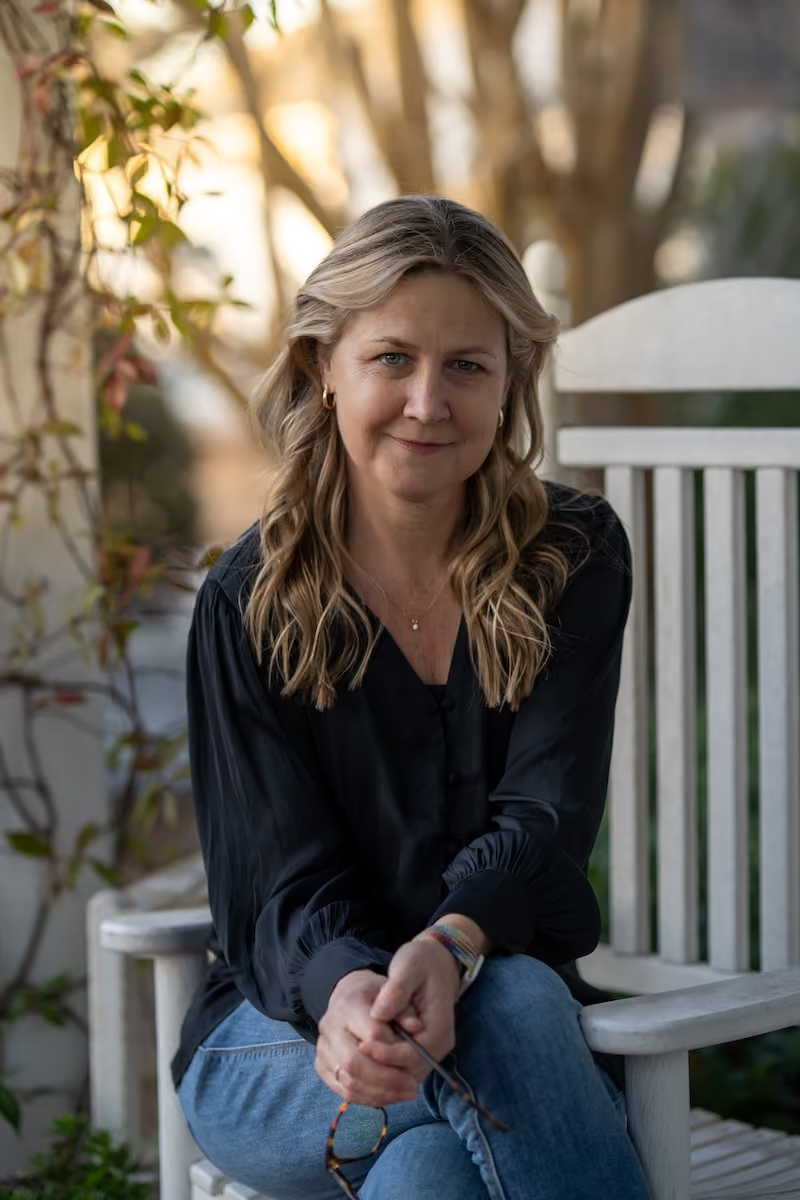
Suicide is life changing.
When my husband ended his life in 2014, questions were everywhere. I thought I’d landed on a new planet, completely alone, desperately trying to understand the unfathomable.
Why did this happen? How can I explain to our young kids why they don’t have a dad? How will we ever get through this?
While I had wonderful family and friends for support, none had lived through the suicide of a loved one. Books, online resources, and honest discussion about suicide loss were scarce, and with two preschoolers, there wasn’t time to look for them. It was all I could do to fit in a shower.
In survival mode, I began leaning on my “work brain” to create order amid the chaos. I’d built a career in environmental conservation that required strategic planning and project management, including techniques for understanding and overcoming challenges.
One model kept surfacing as I struggled through those days: What – So What – Now What.
Fast forward to today. My kids are older and more independent. In many ways my heart has healed enough for my head to think clearly about how my experience can help others.
The Suicide Widows Project is my Now What. I hope you’ll join me.
